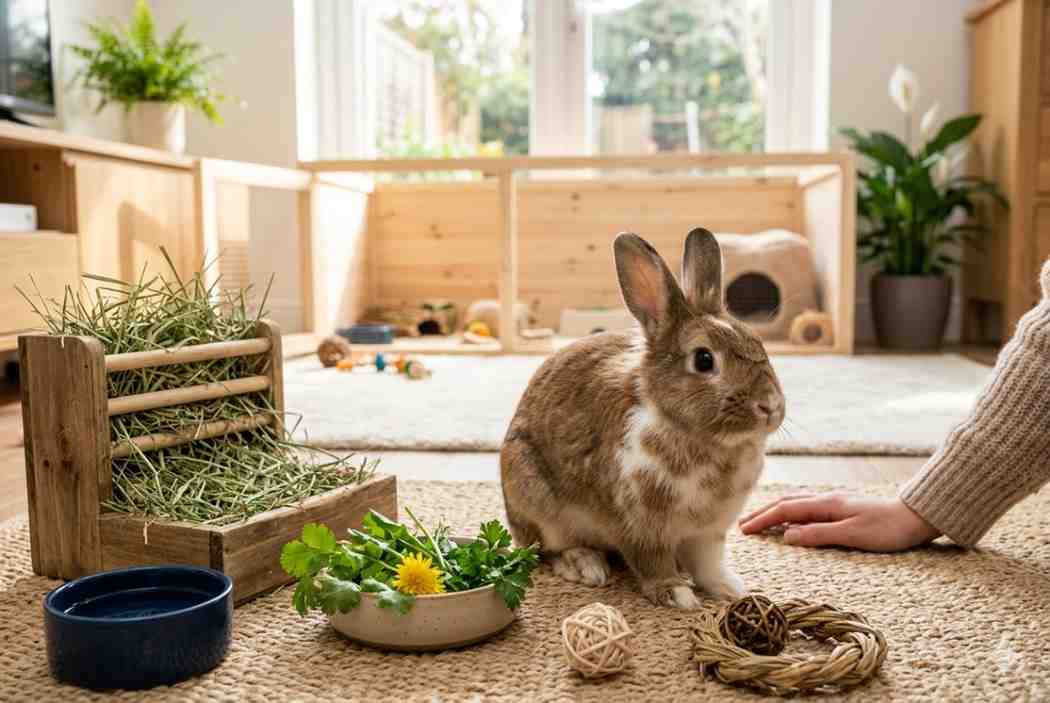
Rabbit Care: A Complete Guide to Raising Healthy and Happy Bunnies
Lisa Park • October 8, 2026
Rabbits are gentle, intelligent, and affectionate animals that make wonderful companions. However, caring for a rabbit is very different from caring for more traditional pets like cats or dogs. They have unique needs, sensitive bodies, and specific behavioral traits that require thoughtful attention.
Whether you are a new rabbit owner or considering adopting one, understanding proper rabbit care is essential for ensuring a long, healthy, and happy life for your furry friend.
Understanding Rabbits as Pets
Rabbits are prey animals, which means they are naturally cautious and easily startled. Building trust with them takes patience and consistency. Over time, however, they can form strong bonds with their owners and even learn to recognize voices and routines.
They are also highly social animals and thrive on interaction—either with humans or other rabbits.
Housing and Environment
Creating a safe and comfortable living space is one of the most important aspects of rabbit care.
Indoor vs Outdoor Living
Rabbits are best kept indoors where they are protected from extreme weather, predators, and parasites. Indoor rabbits also tend to live longer and healthier lives.
Space Requirements
Rabbits need plenty of room to move, stretch, and hop. A small cage is not enough—they should have access to a larger enclosure or a rabbit-proofed room.
Bedding and Cleanliness
Use soft, absorbent bedding and clean their living area regularly. Rabbits are naturally clean animals and can even be litter-trained with some effort.
Diet and Nutrition
A proper diet is critical for a rabbit’s health.
Hay: The Foundation
Fresh hay should make up about 80–90% of a rabbit’s diet. It aids digestion and helps wear down their continuously growing teeth.
Fresh Vegetables
Leafy greens like spinach, coriander, and lettuce can be given daily in moderate amounts.
Pellets and Treats
High-quality pellets can supplement their diet, but should be limited. Sugary treats like fruits should only be given occasionally.
Fresh Water
Always provide clean, fresh water—preferably in a bowl rather than a bottle, as it is more natural for rabbits.
Health and Veterinary Care
Rabbits are delicate animals, and their health can decline quickly if not monitored.
Regular Checkups
Routine visits to a veterinarian experienced with rabbits are essential. Not all vets specialize in small animals, so choosing the right one matters.
Common Health Issues
- Dental problems due to overgrown teeth
- Digestive issues like gastrointestinal stasis
- Respiratory infections
Early detection is key, as rabbits often hide signs of illness.
Spaying and Neutering
Spaying or neutering your rabbit can prevent health problems and improve behavior, such as reducing aggression or territorial marking.
Behavior and Enrichment
Rabbits are intelligent and curious animals that need mental stimulation.
Toys and Activities
Provide chew toys, tunnels, and safe objects to explore. Chewing is a natural behavior and helps keep their teeth healthy.
Social Interaction
Spend time with your rabbit daily. Gentle petting, talking, and playing help strengthen your bond.
Understanding Body Language
- Thumping may indicate fear or warning
- Binkying (joyful jumps) shows happiness
- Flattening against the ground can signal stress
Grooming and Hygiene
Rabbits groom themselves frequently, but they still need some assistance.
- Brush their fur regularly, especially during shedding seasons
- Trim their nails carefully
- Never bathe a rabbit, as it can cause stress and health issues
Maintaining hygiene helps prevent infections and discomfort.
Safety Considerations
Rabbit-proofing your home is essential:
- Cover electrical wires
- Remove toxic plants
- Keep small objects out of reach
Rabbits love to chew, and curiosity can sometimes lead them into danger.
Lifespan and Commitment
Rabbits can live between 8 to 12 years, sometimes even longer with proper care. This makes them a long-term commitment that requires time, effort, and responsibility.
Before adopting a rabbit, it’s important to be fully prepared for this commitment.
Final Thoughts
Rabbit care goes far beyond providing food and shelter—it involves understanding their unique nature and meeting their physical and emotional needs.
With the right care, rabbits can be loving, playful, and deeply rewarding companions. They may be small in size, but they bring immense joy to those who take the time to care for them properly.
If you’re willing to invest the effort, a rabbit can become not just a pet, but a cherished member of your family.